Our work · Weddings & Celebrations
BdeBoda
Store Operations and Content for a Spanish Wedding Brand
We handle the day-to-day work behind stores like this one.
- The work
- Daily Store Operations & Content for the Planning Site
- The store
- bdebodastore.com
- Built with
- Shopify
- EUR Storefront
- Spanish-Language Catalogue
- Free Shipping Across Spain
- Personalised Product Workflow
- Content for bdeboda.es

The brief
What BdeBoda needed.
BdeBoda is a Spanish wedding brand with two properties: a Shopify store selling everything a wedding needs on the day, and a separate planning site where couples work out what that is. We run the store day to day and produce content for the planning side. The catalogue is entirely in Spanish and organised around the moments of a wedding rather than around product types, which is the single decision that makes the shop work.
01
Organised by the day, not by the warehouse.
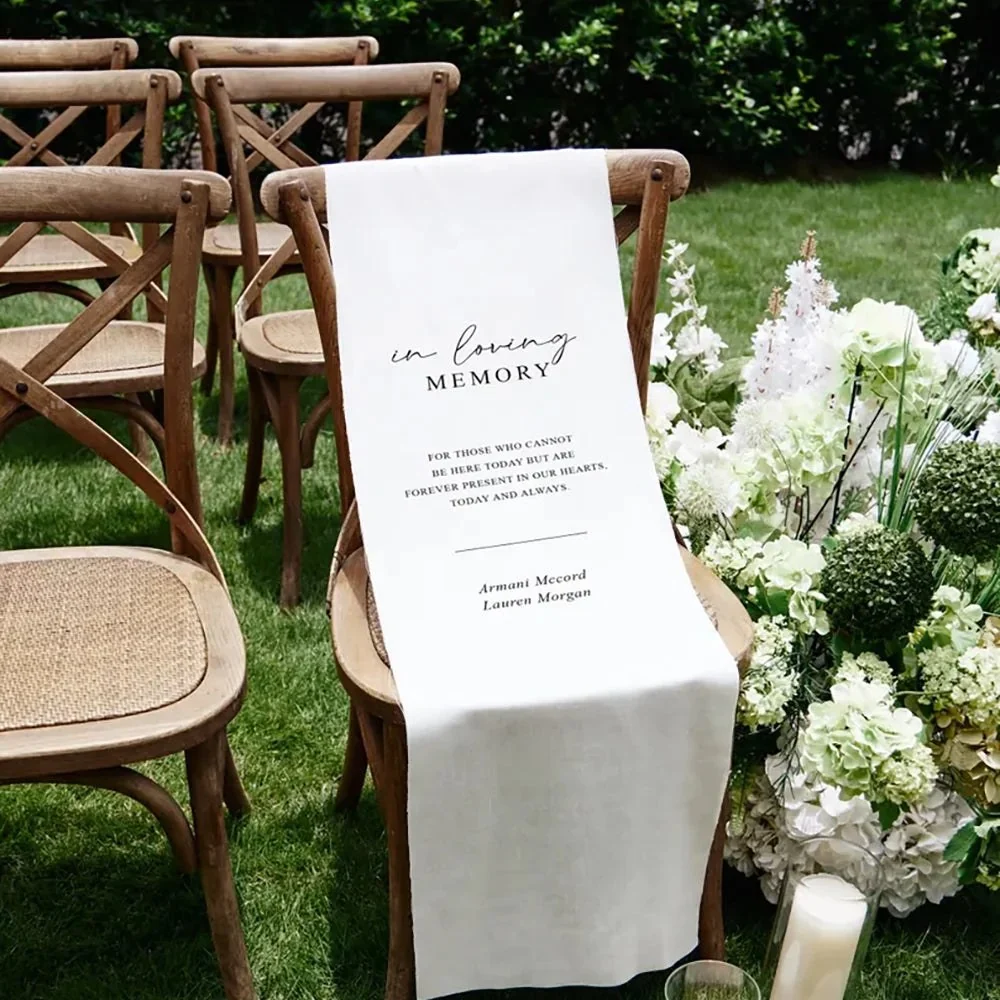
The collections are Ceremonia, Banquete, Fiesta, Bienvenida, Momentos, Personalizados. They are the parts of a wedding, in order. A couple does not arrive looking for a category of product, they arrive with a gap in a day they are trying to imagine, and a shop that mirrors the running order of that day answers the question they actually have.
02
Spanish first, not translated.
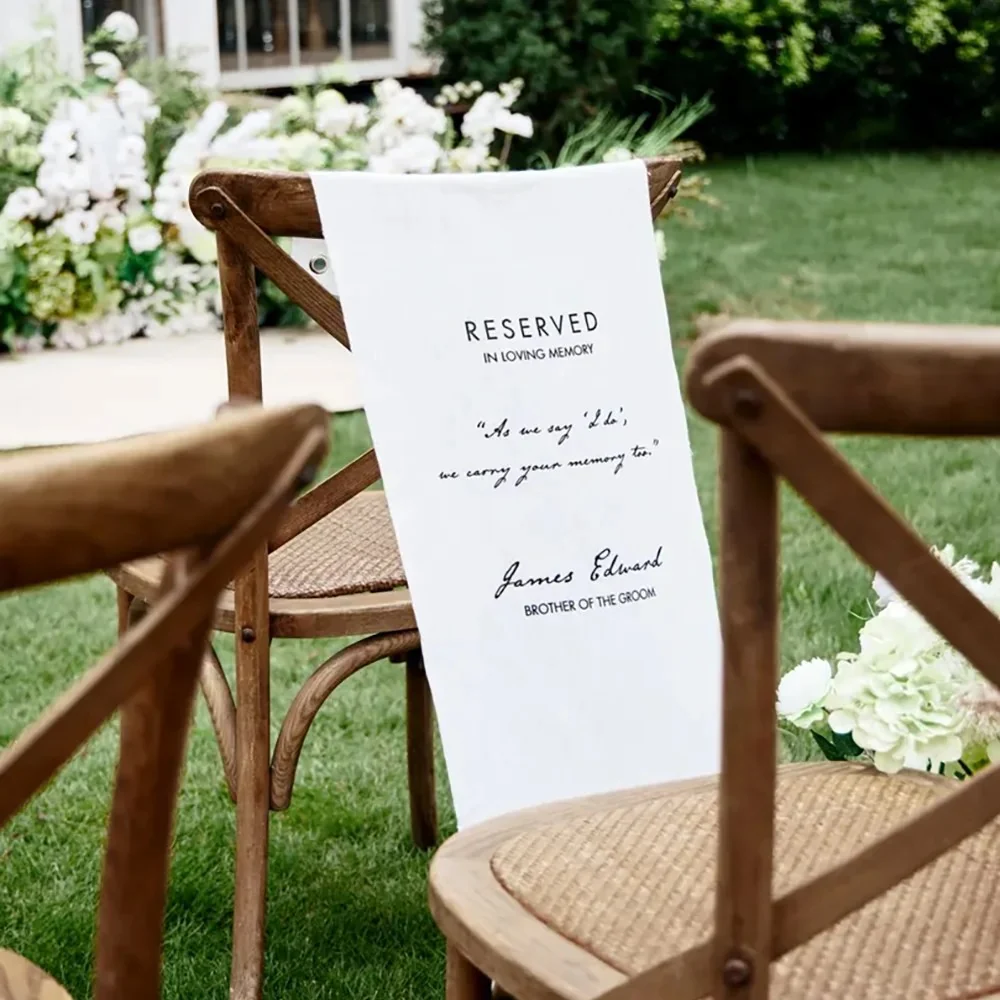
Every product type on this store is written in Spanish as its own taxonomy: abanicos y paipais, detalles para invitados, papeleria de boda, recuerdos de boda. That matters more than it sounds. A catalogue that has been translated out of English keeps English category logic underneath it and reads slightly wrong to a native buyer, in a market where weddings are an emotional purchase and slightly wrong is enough.
03
Personalised products are an operations problem.
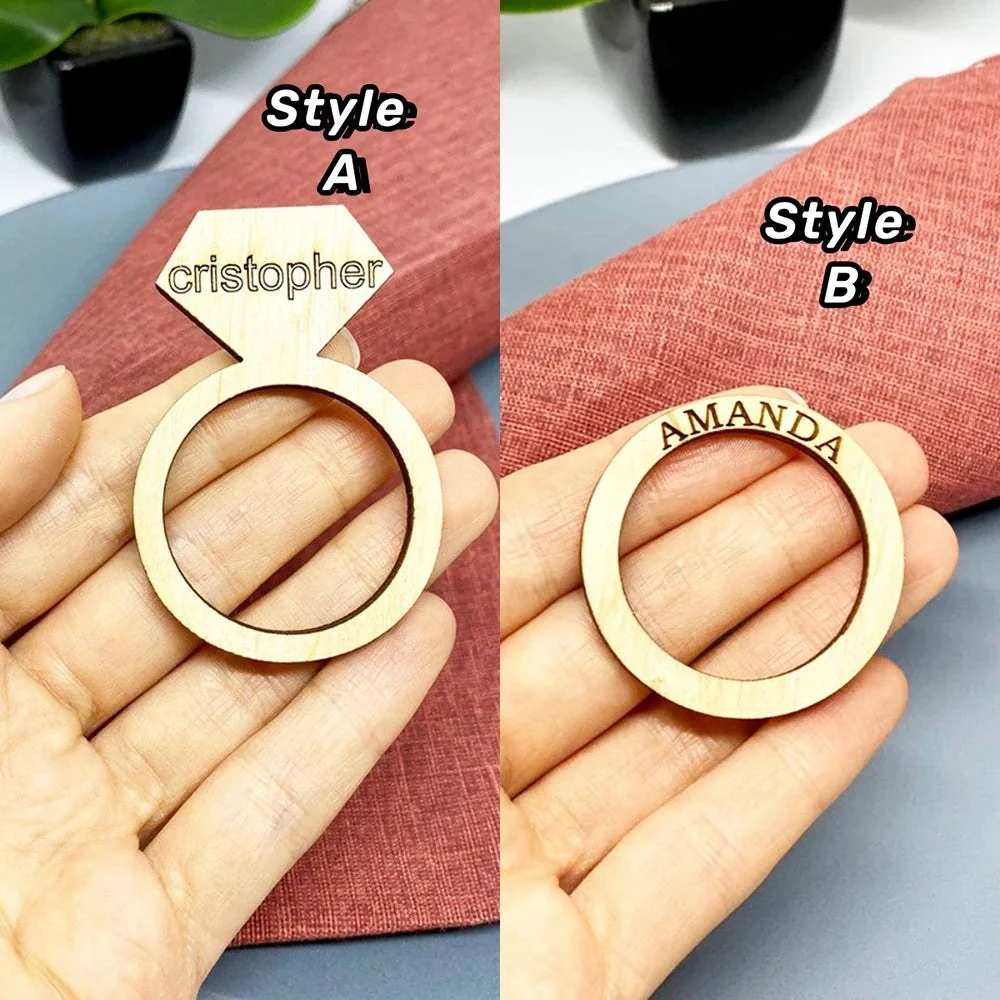
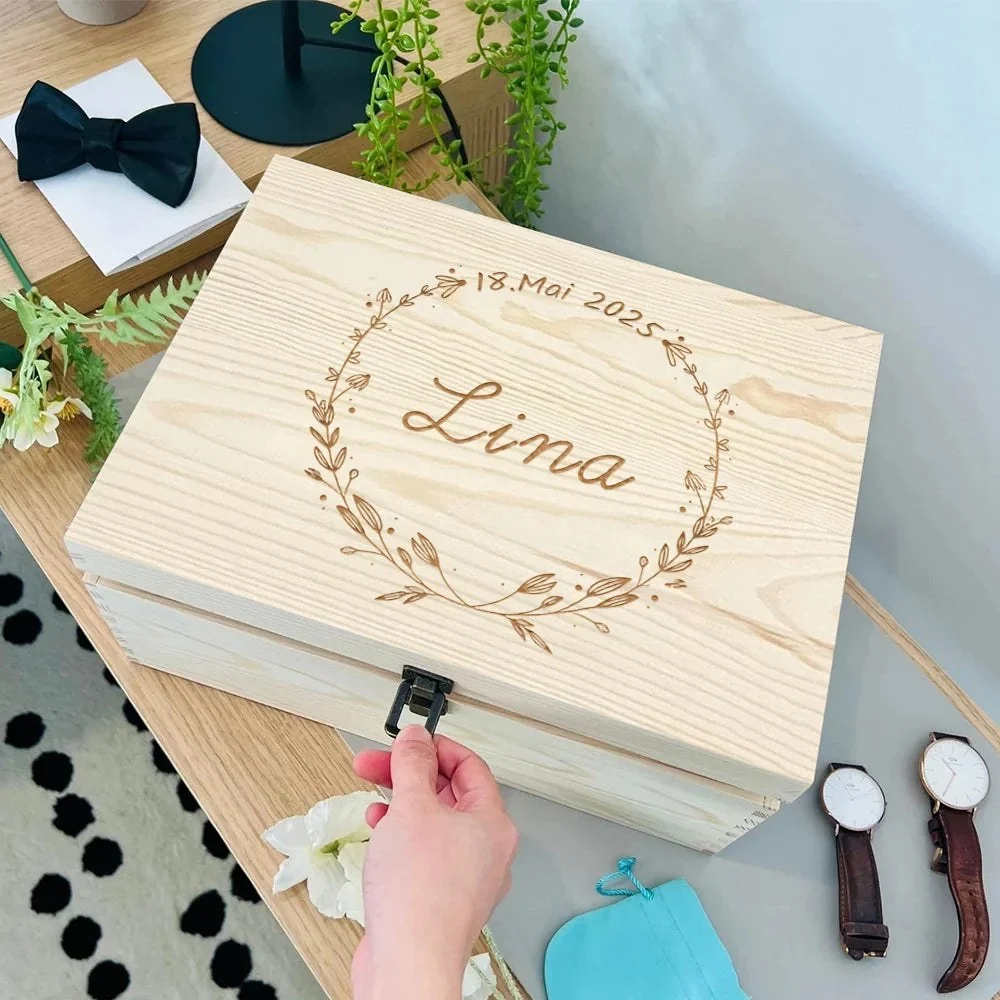
A large part of this catalogue is engraved and printed to order: names, dates, initials. Every one of those is an order that carries information which must be captured correctly at checkout, passed on without transcription errors, and checked before it is produced. There is no restocking a wedding, and a misspelled name on a hundred guest favours is not a return, it is a disaster with a date attached.
04
Two properties, one customer.
The planning site and the store serve the same couple at two different moments. She is working out what she needs, and then she is buying it. Producing content on the planning side means writing for the first moment honestly, as help rather than as a catalogue in disguise, because a couple who feels sold to while still deciding does not come back to buy.
Read the full write-up
Running a Spanish wedding catalogue where every order has a deadline
BdeBoda operates two properties. There is a Shopify store selling the physical things a wedding needs, and a separate planning site where couples work out what those things are. We handle the day to day of the store and produce content for the planning site. Wedding retail has one characteristic that changes how everything must be run: the customer has a fixed date, and it does not move.
A catalogue shaped like a wedding day
The collections on this store are Bienvenida, Ceremonia, Banquete, Fiesta, Momentos and Personalizados. Welcome, ceremony, banquet, party, moments, personalised. Read in order, they are the running order of the day itself.
This is a better structure than a category tree for a specific reason. A couple planning a wedding is not shopping for a product type, they are working through a sequence of moments and trying to notice what is missing from each one. A shop organised by category asks them to already know that they need a guest book, a table runner and a set of favours. A shop organised by moment walks them through the day and lets the gaps present themselves.
The product types underneath are properly taxonomised as well, in Spanish, as their own vocabulary rather than as translations. Abanicos y paipais, detalles para invitados, papeleria de boda, recuerdos de boda, regalos personalizados. A catalogue built in English and translated afterwards carries English category logic underneath the Spanish words, and a native buyer feels the seam without being able to name it.
Why personalisation changes the operating model
A large share of this catalogue is made to order: engraved wooden boxes, printed menus, keyrings with two names and a date, favours with a guest's name on each one. Every one of those orders carries customer-supplied text that has to survive the journey from checkout to production without being retyped, misread or truncated.
The stakes are not the same as ordinary ecommerce. A wrong size ships back and a replacement goes out. A hundred guest favours with a misspelled surname, delivered three days before a wedding, cannot be fixed. The operating discipline that follows is unglamorous and non-negotiable:
- Personalisation fields captured cleanly at checkout, not gathered afterwards by email
- Text passed to production without manual transcription wherever possible
- A check on the exact characters, accents included, before anything is produced
- Production and delivery timelines read backwards from the wedding date, not forwards from the order date
Free shipping across Spain, stated up front
The store announces free shipping to Spain in the bar above the header. For a wedding catalogue that is worth doing. These are not single-item orders. A couple assembling a wedding buys across several collections over several weeks, and per-order shipping costs on that pattern of buying punish exactly the behaviour the shop wants to encourage.
Content for the planning site
The planning site meets the same couple earlier, when they are still deciding rather than buying. Content written for that moment has to be actually useful, because the alternative is obvious to the reader. A planning article that is a product list wearing a helpful title gets recognised immediately, and it costs the trust that would have made the sale later.
The commercial logic is patient. Somebody who found a genuinely useful answer while planning arrives at the store already believing this brand knows what it is doing. That belief is worth more than a link placed in the third paragraph.
What applies to other deadline-driven catalogues
- Structure the shop the way the customer experiences the event, not the way the warehouse is arranged.
- Sell in the language, not in translation. Build the taxonomy natively or the seams show.
- Personalised products are an operations discipline before they are a product line. The error you cannot take back defines the process.
- Help before you sell when the customer is still deciding. The purchase comes later and it comes warmer.
If you sell into weddings, events or any market where the customer has a fixed date, book a 30-minute call.
Services in this work
More case studies
Tell us about your store.
A 30-minute call about the store and what is taking your time, and a written quote after.
“For the first time I am confident my Shopify store is in the right hands.”
Rex M., United States · Fiverr, repeat client