Our work · Fashion & Lifestyle Essentials
Mistfall
Storefront Redesign and Ongoing Store Operations for a US Essentials Brand
We handle the day-to-day work behind stores like this one.
- The work
- Storefront Redesign & Daily Operations
- The store
- mistfall.co
- Built with
- Shopify
- Custom Theme (Mistfall_Theme)
- Video-Led Homepage
- Judge.me Reviews
- Shop Pay Installments
- Pinterest & Meta Pixels

The brief
What Mistfall needed.
Mistfall sells premium outerwear, dresses and modern essentials to a US audience. The store already existed and already had a catalogue when we came in. Our work was to rebuild the storefront around a clearer promise, and then to stay on and run it. The theme the store ships today is a custom one, and the day to day of the shop is ours: products, collections, orders and the merchandising that decides what a visitor meets first.
01
A redesign, not a rebuild from nothing.
Mistfall was already trading. That changes the job. A store with a live catalogue and live customers cannot be taken down and reintroduced, so the redesign happened around a shop that stayed open, with the existing product data carried across rather than re-entered. The result is a storefront that reads as one considered thing instead of a stock theme with the brand name dropped into it.

02
The homepage leads with motion, then gets out of the way.
The first thing a visitor meets is a full-bleed video rather than a promotional banner. It is a decision about what kind of shop this is: the brand is asking to be read as a label rather than as a catalogue. Directly beneath it the page turns practical and starts selling, so the atmosphere costs the visitor nothing on the way to a product.
03
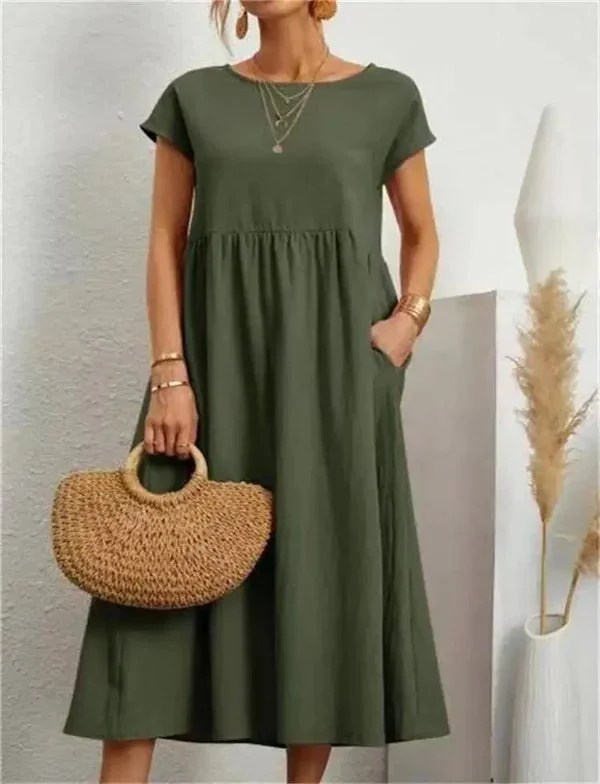
156 products kept in order, every week.
The catalogue runs to 156 products across eight collections, and the work of keeping that coherent is continuous rather than occasional. New pieces are added, seasonal collections are built and retired, sale groupings are set up and taken down, and the product data underneath stays consistent so that filtering and search keep behaving. This is the part of ecommerce nobody photographs.

04
The checkout does the reassuring.
Judge.me carries customer reviews onto the product pages, Shop Pay Installments gives the higher-priced outerwear a payment route that does not require the full amount up front, and shipping is free across the US so the number the buyer sees on the product page is the number they pay. None of it is novel. All of it removes a reason to leave.

Read the full write-up
Redesigning a store that could not afford to close
Mistfall came to us with a working Shopify store, a US customer base and a catalogue that was already earning. That is a materially different brief from a launch. A launch has no downside risk: nothing is live, so nothing can break. A redesign of a trading store has to protect the revenue that already exists while changing almost everything a customer sees.
What a redesign actually has to preserve
The visible work is the storefront. The invisible work, and the part that decides whether a redesign is a success or an incident, is everything the storefront sits on top of. Product handles, collection URLs, image references, variant structures and metafields all carry forward into the new theme, and every one of them is a place where a redesign can silently lose something.
We carried the existing catalogue across rather than rebuilding it, which keeps product URLs stable. A store that changes its product URLs during a redesign throws away whatever search visibility those pages had accumulated, and then spends months earning it back. It is one of the most common and most expensive mistakes in a Shopify rebuild, and it is entirely avoidable.
The case for a video homepage
Most Shopify stores open on a promotional banner: a discount, a season, a collection. It converts, and it also tells the visitor exactly what kind of business they have arrived at. Mistfall opens on motion instead, with the brand name on the wall behind the models and no offer attached.
That is a positioning decision before it is a design one. The brand sells premium outerwear and dresses at price points where the buyer is choosing rather than bargain hunting, and a discount banner in the first viewport argues against the price on the product page. The homepage spends its opening moment establishing that this is a label, and then moves immediately into product.
The one thing a video hero must not do is cost the visitor time. It carries a pause control, it does not block the content underneath it, and the page below it is ordinary, fast and merchandised.
Running the store after the redesign
The redesign is a project. The operations are the relationship. Mistfall runs 156 products across eight collections, and that catalogue moves constantly: new arrivals go up, seasonal groupings are assembled, the sale collection fills and empties, and the products that are actually selling get moved to where people will find them.
The work breaks down into a few recurring jobs:
- Adding new products with consistent titles, descriptions, images and variant structures
- Building and retiring seasonal and sale collections
- Keeping collection ordering reflective of what is selling, not what was uploaded most recently
- Watching for the small breakages that accumulate in any live store: missing images, orphaned variants, collections that have quietly emptied
- Order and fulfilment support
None of this is glamorous and all of it is the difference between a store that looks maintained and a store that looks abandoned. A visitor cannot tell you why a shop feels neglected, but they can feel it, and they leave.
Removing the reasons to hesitate
Three things on the storefront exist to answer objections rather than to sell. Judge.me puts customer reviews on the product pages, which matters most on a brand the buyer has not heard of. Shop Pay Installments gives the outerwear, which sits at the top of the price range, a payment route that does not ask for the whole amount at once. Free US shipping means the price on the product page is the price at checkout, which removes the single most common cause of cart abandonment in ecommerce.
None of these are clever. Each of them removes a specific reason a specific buyer would have left, and together they do more for conversion than most redesigns do.
What applies to other stores in this position
- A redesign of a trading store is a migration problem wearing a design brief. Protect the URLs and the product data first, then design.
- The first viewport is a positioning statement whether you intend it or not. A discount banner on a premium catalogue argues against your own prices.
- The redesign is not the work. A storefront degrades from the day it launches unless somebody is maintaining it, and the degradation is invisible until it is severe.
If you have a Shopify store that is trading and needs rebuilding without going dark, book a 30-minute call.
Services in this work
More case studies
Tell us about your store.
A 30-minute call about the store and what is taking your time, and a written quote after.
“For the first time I am confident my Shopify store is in the right hands.”
Rex M., United States · Fiverr, repeat client